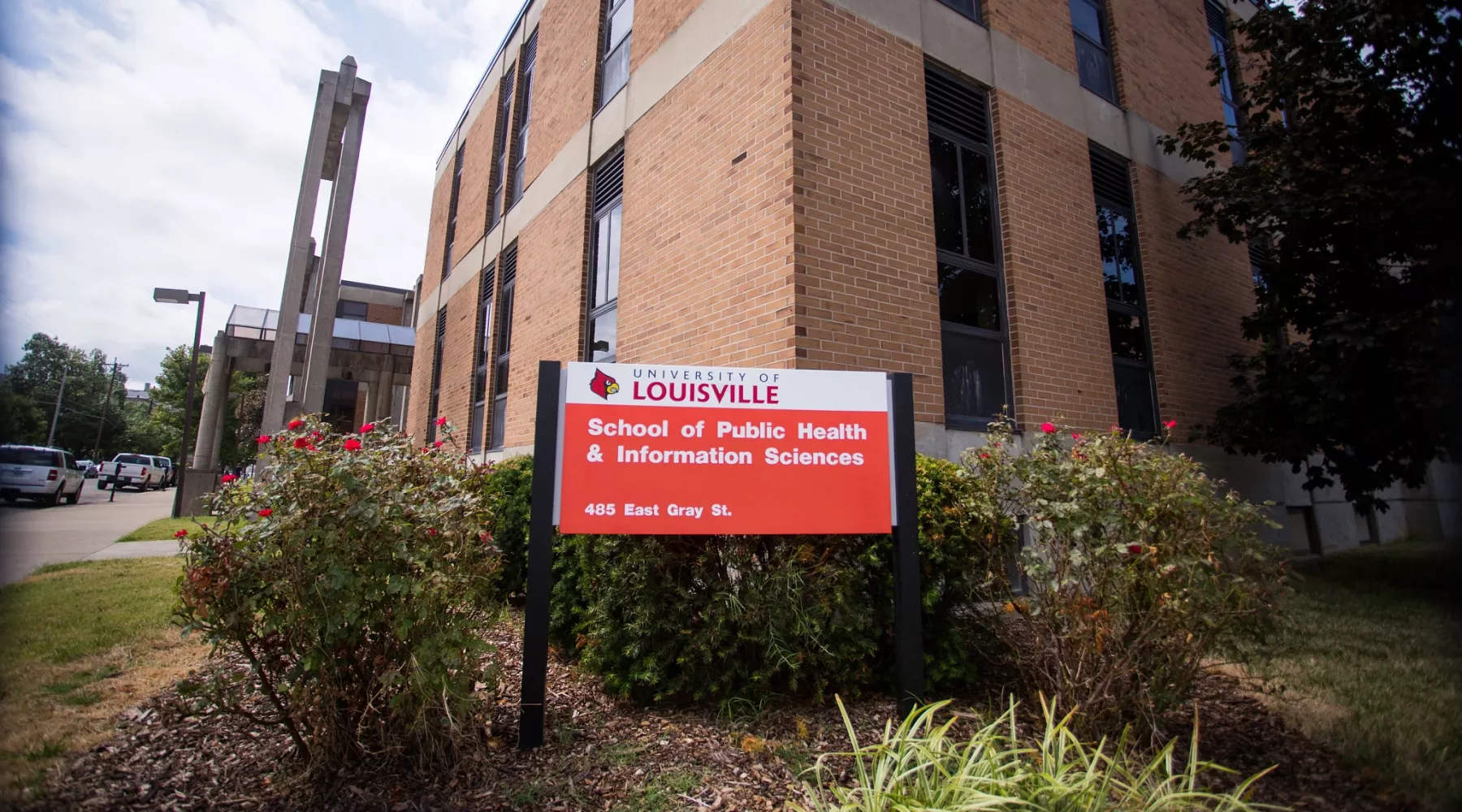
The University of Louisville School of Public Health & Information Sciences contributes to vital research, training and professional development to address Public Health challenges locally, regionally, nationally and globally.

Public health students will learn the foundations of public health theory and practice, discover new ways to think about and manage health information and gain skills needed to create positive change.

SPHIS is home to four departments that reflect the interdisciplinary nature of public health. Each department plays a vital role in improving population health and training the next generation of public health professionals. These departments offer rigorous academic programs, engage in innovative research, and collaborate with community partners to address complex public health challenges.

Departments

Up close image of math problems on a white board
Bioinformatics & Biostatistics
The Dept. of Bioinformatics & Biostatistics advances statistical science through research, collaboration, and education. Faculty lead innovative work, and our Statistical Consulting Service supports study design, analysis, and research partnerships.
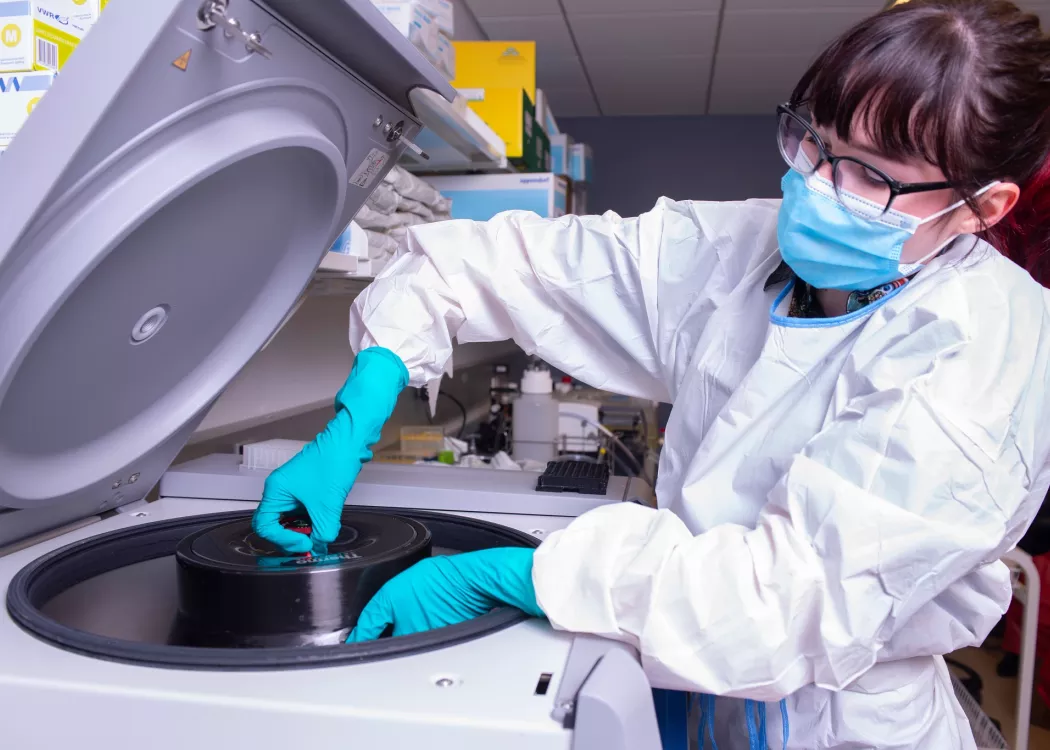
Wastewater testing lab - Covid 19
Epidemiology & Population Health
The Dept. of Epidemiology & Population Health trains future epidemiologists, conducts innovative research on health and disease, advances methods in population health science and informs public health policy at all levels.
Illustration of reception area for medical office
Health Management & Systems Sciences
The Dept. of Health Management & Systems Sciences develops innovative health care leaders to improve population health. We focus on health policy and systems design through research, education and partnerships that drive real-world impact.
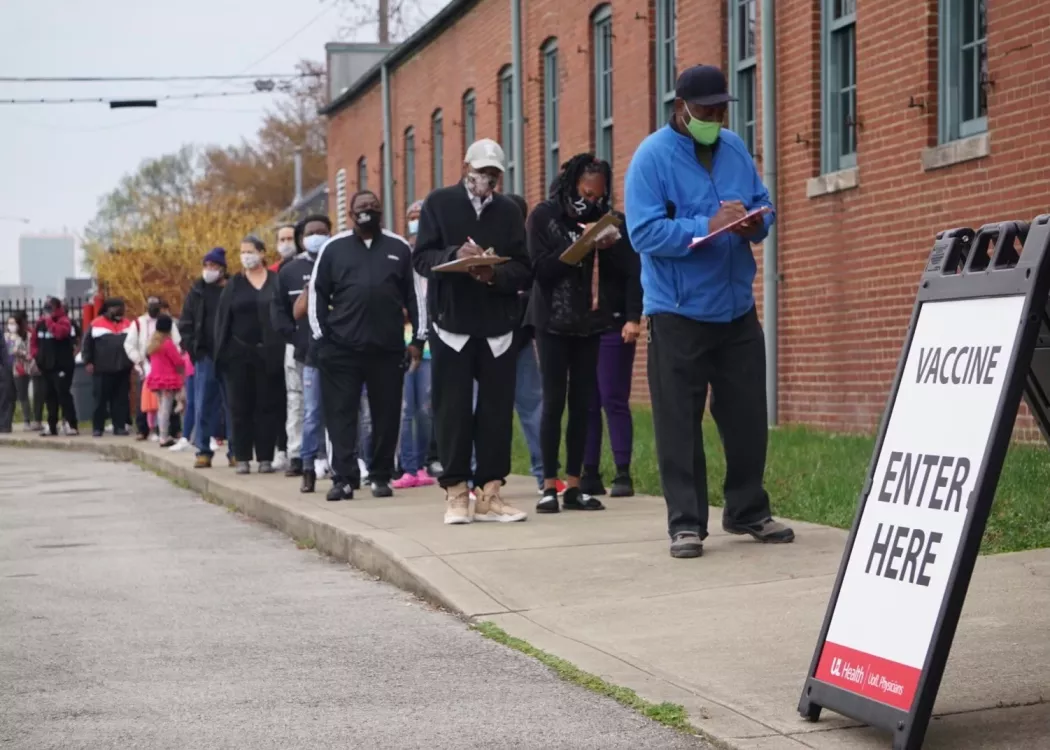
Patients lined up outside for vaccine.
Health Promotion & Behavioral Sciences
The Dept. of Health Promotion & Behavioral Sciences advances public health through research, education and service. Using a social ecological model, we develop and evaluate interventions, engage communities and train future public health leaders.